Google Ads Done Right: 5 Moves That Turn Clicks Into Customers
Google Ads can be the fastest way to put your business in front of customers who are ready to buy right now — or the fastest way to burn through a budget with nothing to show for it. The platform is the same for everyone; the difference almost always comes down to how the account is built and managed. After running Google Ads for service businesses, contractors, and B2B teams, here are five moves that consistently separate the campaigns that pay off from the ones that quietly drain money.
1. Start with intent, not just keywords. The word "plumber" looks like an obvious keyword — but someone typing "emergency plumber near me" is reaching for the phone, while someone searching "how to fix a leaky faucet" is not going to hire anyone today. Build your campaigns around high-intent, ready-to-buy searches first. Those cost more per click, but they're the clicks that actually turn into customers.
2. Add negative keywords from day one. The quickest way to waste a Google Ads budget is paying for clicks that were never going to convert — people searching for "free," "jobs," "DIY," or "cheap" when that isn't who you serve. Add negative keywords before you launch, then review your search-terms report every single week and keep trimming. This one habit alone can cut wasted spend dramatically.
3. Send every click to a page that matches the ad. If your ad promises "Same-Day AC Repair" and the click lands on a generic homepage, you've paid for a visitor who now has to go hunting for what you offered — and most won't. Match each ad to a focused landing page with one clear message and one obvious action. The closer the page matches the promise, the more of your clicks become leads.
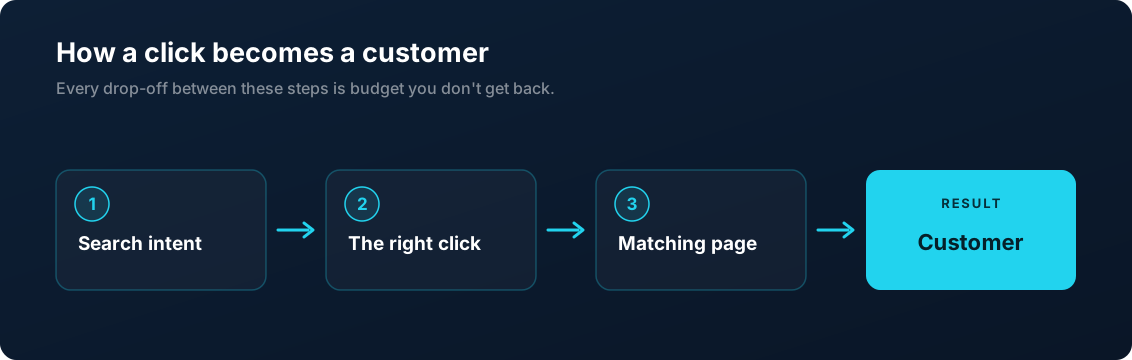
4. Track conversions, not just clicks. Clicks and impressions feel like progress, but they don't pay the bills. Set up conversion tracking for the things that actually matter — phone calls, form submissions, and purchases — so you know your real cost per lead, not just your cost per click. Without it, you're optimizing blind and trusting numbers that look good but mean nothing.
5. Give it time, then cut without sentiment. Google's system needs data before it performs, so pausing a campaign after three days tells you nothing except that you got impatient. Give a new campaign two to three weeks to gather signal, then double down hard on what's converting and cut what isn't — no matter how much you liked the idea. Discipline beats guesswork every time.
Google Ads rewards discipline, not big budgets. The businesses that win aren't the ones spending the most — they're the ones who track what works, cut what doesn't, and keep refining. If you'd like us to audit your current account and show you exactly where your budget is going (and where it's leaking), that's what we do at Marknesty Tech.
Ready to grow your brand?
Let's talk about your goals and how we can help.