Most Apps Get Deleted in a Week. Here's How to Build One That Stays
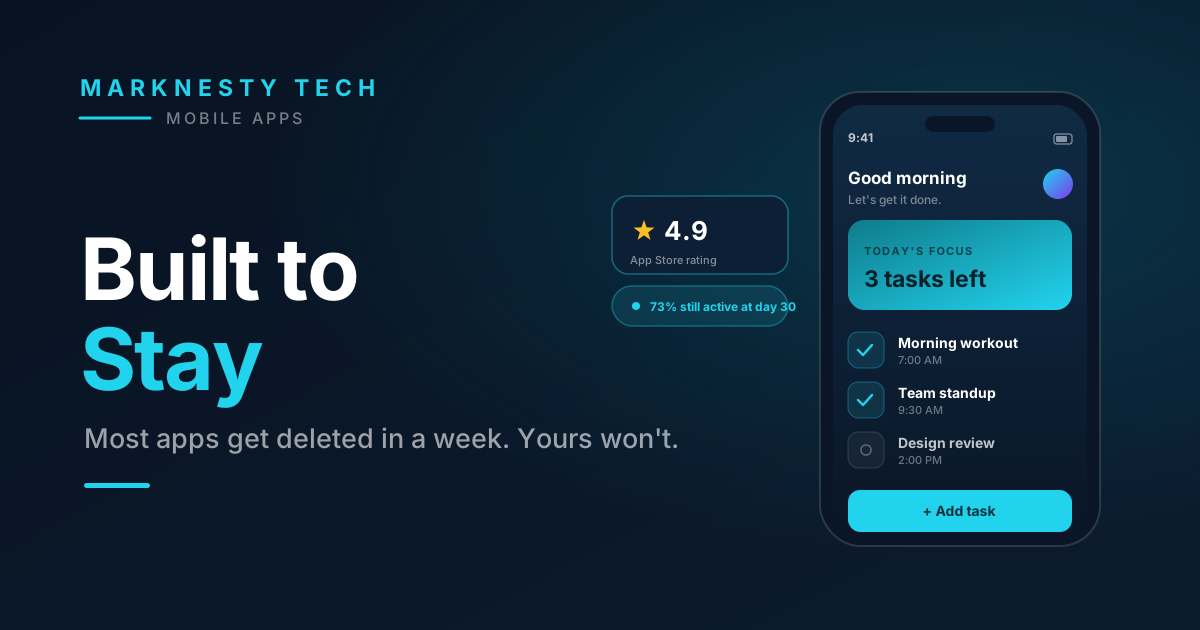
The average app loses most of its users within a week of install. Not because the idea was bad, but because it tried to do too much, solved a problem nobody really had, or shipped so late that it was outdated on arrival. A great app isn't about more features or a bigger budget — it's about building the right thing, proving it works, and improving it with real users. Here's how to build one that earns a spot on the home screen.
1. Build around one job it must do brilliantly. The fastest way to sink an app is to make it a Swiss Army knife — a little bit of everything, nothing done well. The apps people keep do one important thing better than anything else. Decide the single job your app exists to do, make that experience effortless, and resist stuffing in features until the core is genuinely great.
2. Validate before you build. Six months of development based on a guess is how good money gets wasted. Before writing the full app, test the idea — a clickable prototype, a landing page, a small group of real users. The goal is to learn whether people actually want this, and how they'd use it, while changing your mind is still cheap. Assumptions are expensive once they're in code.
3. Design for the phone, not the desktop. A phone is used one-handed, on the move, often on a weak connection. That changes everything: fast load times, thumb-friendly buttons, clear navigation, and graceful behavior when the network drops. An app that feels native and quick beats a feature-rich one that's slow and clumsy — every single time.
4. Launch small, then listen. Your first version should do the core job well and little else. Ship it to real users, watch how they actually behave, and let the data — not opinions in a meeting — guide what comes next. The sooner real people touch it, the sooner you learn what to fix, and the less you spend building things nobody wanted.
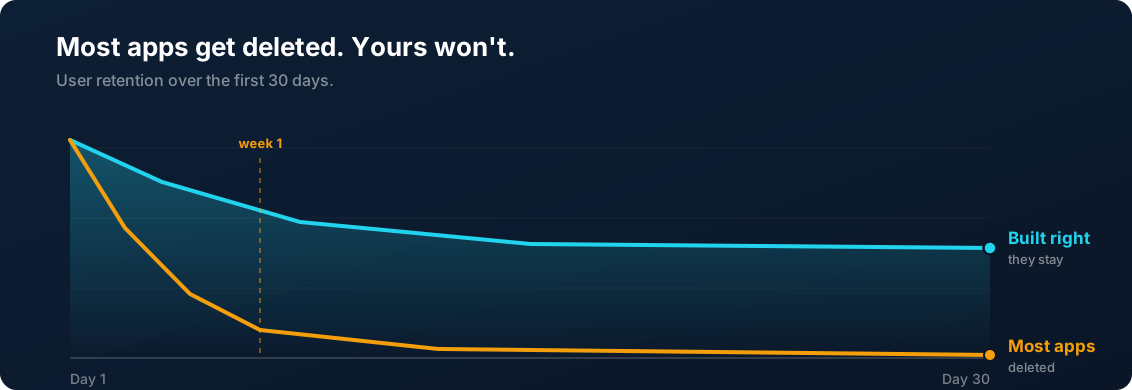
5. Treat the app as a living product. An app isn't a one-time build you hand over and forget. Phones update, operating systems change, users expect improvements, and bugs appear in the wild. The apps that stay successful have someone maintaining, measuring, and improving them long after launch. Budget for the life of the app, not just its birth.
A successful app comes from focus, validation, a phone-first experience, and steady improvement — not from cramming in features and hoping. Get those right and you build something people open every day instead of deleting on day two. If you'd like a partner to design, build, and grow a mobile app the right way, that's exactly what we do at Marknesty Tech.
Ready to grow your brand?
Let's talk about your goals and how we can help.